Existing cameras for video analytics: first assessment
Check the camera view, stream, network and response workflow before buying new equipment for a video analytics project on existing cameras in Georgia.
- Author
- aiNOW სარედაქციო გუნდი
- Read time
- 8 min
- Published
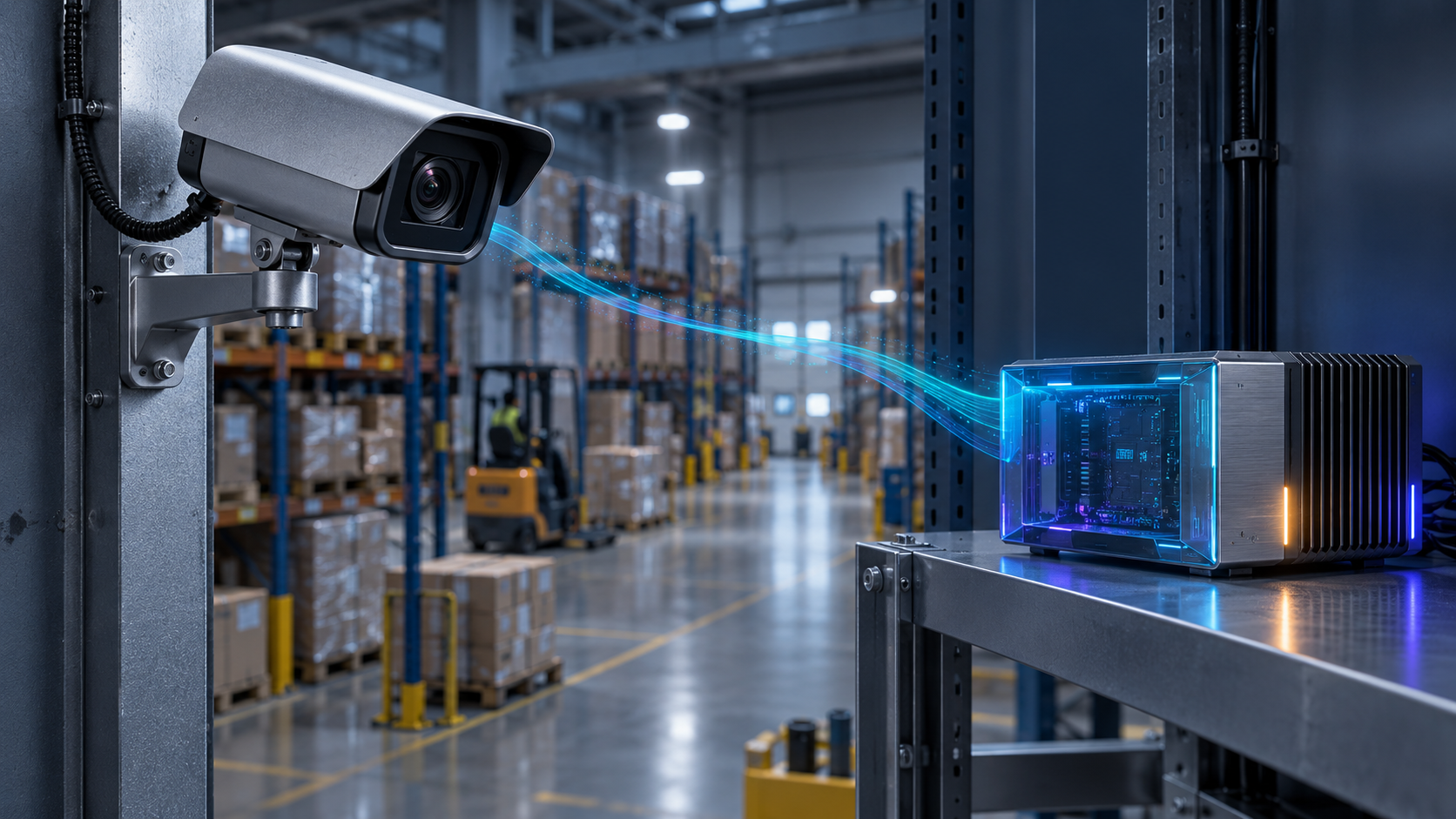
TL;DR: Start a video analytics project by checking the cameras you already have. The usable result depends on the scene, stream, network path and responsible workflow, so a camera specification alone cannot prove that an event will be detected or that an alert will arrive in time. Discuss an existing-camera assessment before buying new equipment.
Starting with existing cameras
Starting with existing cameras means treating the installed scene as the first evidence source. The team records the camera position, field of view, stream address, encoding, lighting, operating hours and the event that matters to the business. The purpose is practical: find out whether the current scene can support one useful workflow before adding equipment or changing the whole system.
Axis describes image usability as a function of the surveillance purpose and scene conditions, rather than a simple resolution label. Its analytics overview provides vendor context for scene analysis. That principle matters for aiVISION because a proposed workflow may depend on a doorway, a restricted floor area, a queue line or a loading lane that the current camera does not frame consistently.
Camera view and stream checks
Inspect the physical view and the digital stream together. The view review covers mounting height, angle, blind spots, light changes, reflections, motion blur and whether the relevant person or object is large enough in the frame. The stream review covers the source address, authentication, codec, frame delivery, timestamps and network route.
ONVIF network specifications describe the protocols used by conformant devices and clients. They can guide an interface check, but they do not replace a test with the actual camera, firmware, credentials and network path. The result should be a short record that another person can repeat.
Comparison: reuse or replace
Reusing an existing camera is the faster first decision when the view, stream and network can be checked. Buying a new camera is the better path when the current view cannot show the event, the stream cannot be accessed reliably, or the scene changes in a way that breaks the agreed rule. The comparison is therefore between a verified scene and an unresolved scene, rather than between an old device and a new device.
A useful decision table has four rows: event visibility, stream access, network stability and human review. Mark each row as confirmed, needs a test or unsuitable. Do not mark it confirmed because a vendor page says that the camera supports analytics.
The first assessment sequence
- Write one event in plain language, such as entry into a restricted zone or a queue reaching an agreed condition.
- Choose one camera and capture representative footage from the relevant time of day.
- Record the stream format, access method, timestamps and network route.
- Review several ordinary scenes and the edge cases that could look similar.
- Define who receives the signal, what short context they need and what action they record.
A proposed aiVISION service can be built around this assessment and a monthly implementation and support arrangement. The scope and price are determined after reviewing the camera, scenario and infrastructure.
Keep a camera inventory beside the assessment. Record which device serves the doorway, loading lane or queue, which recorder carries its stream, and who can approve a change to the angle. When several views overlap, choose the view that gives the reviewer the clearest decision, not the largest list of available cameras. This makes the first implementation small enough to inspect and gives the next change a named owner.
Limits of a camera assessment
An assessment cannot prove universal camera compatibility, detection quality on every day, or a fixed notification delay without a measured test. It cannot establish identity, intent or automatic proof of theft. It also cannot turn a blind spot into a useful view by changing software alone. Those limits belong in the decision record before anyone expands the workflow.
Camera assessment checklist
- One event, one zone and one responsible person are named.
- The camera view is readable during the relevant operating conditions.
- The stream can be accessed through an agreed method.
- Time, clip context and response recording are defined.
- Unconfirmed quality, latency and infrastructure questions remain visible.
The inventory should also show what the current system cannot answer. Note which cameras share a recorder, which views change after a shift, and which streams are available only through a vendor interface. This prevents the implementation discussion from treating the camera list as a complete map of the operation. A site may have several cameras but only one that sees the relevant doorway or loading lane clearly.
A practical review keeps a small evidence pack: a camera list, representative stills, a stream test, a scene note and the name of the person who will review an event. The pack gives aiNOW a defined starting point for custom work and gives the customer a way to reject an assumption before it becomes a recurring service task.
A useful review also asks who will keep the scene stable. If a camera is redirected for another task, the event rule may no longer match the floor. Record that dependency and decide who approves a change. The assessment then becomes a repeatable handoff instead of a one-time demonstration.
When a new camera is needed, keep the reason concrete: an angle is blocked, the event is outside the view, or the stream cannot be accessed under the agreed conditions. That reason becomes part of the purchase decision and stops new hardware from being added only because the analytics idea sounds attractive.
Related reading
მასალა მომზადებულია AI-ის დახმარებით და გადამოწმებულია სარედაქციო ეტაპზე.